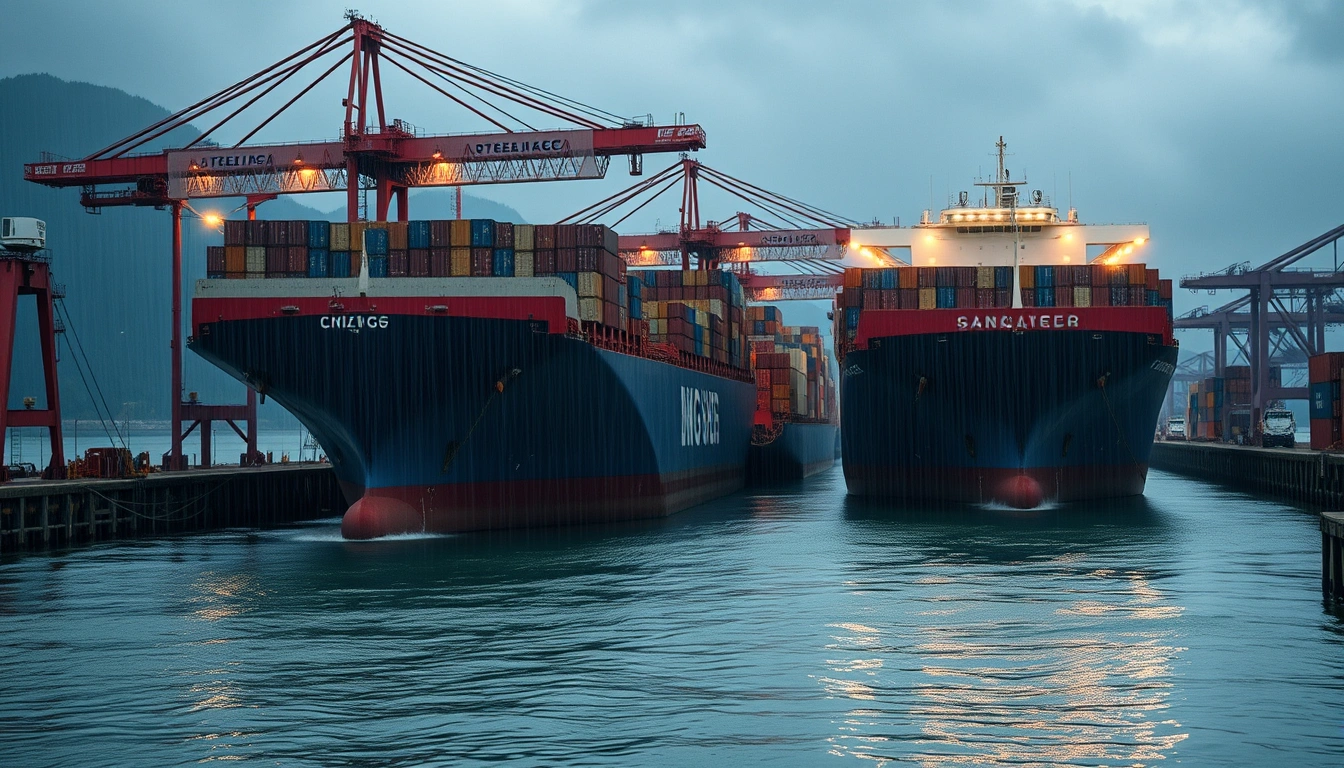
Surcharges Evaporate as Gatun Lake Rebounds
Panama Canal surcharges for Neopanamax and Panamax vessels have plummeted to $80,000 per transit from a peak of $400,000 in January 2026, according to canal authority data. The collapse follows a 40% increase in daily transits to 36 slots, up from 26 in September, as water levels in Gatun Lake rose to 84 feet, the highest since 2023. The Panama Canal Authority (ACP) has reopened booking slots for LNG carriers and dry bulk vessels, eliminating the auction system that had driven costs to record highs.
LNG and Grain Freight Costs Tumble
The normalization has immediate implications for energy and agricultural markets. LNG freight rates from the U.S. Gulf Coast to Asia have fallen 25% to $65,000 per day for a 160,000-cubic-meter vessel, down from $85,000 in August, according to Baltic Exchange data. Similarly, grain freight costs from the U.S. Gulf to Asia have dropped 15% to $45 per metric ton, making U.S. soybeans and corn more competitive against Brazilian supplies. The canal handles about 5% of global maritime trade, and the return of efficient transits is expected to reduce delivery times by 7-10 days for LNG cargoes.
Winners and Losers Emerge
U.S. LNG exporters such as Cheniere Energy and Venture Global stand to benefit from lower freight costs, which improve netbacks to Asian buyers. Grain traders including Cargill and ADM gain from faster turnaround times. However, shipping companies that had capitalized on surcharges, such as container lines and tanker operators, face revenue headwinds. The ACP estimates that total surcharge revenue will fall to $200 million in Q4 2026 from $1.2 billion in Q1, a stark reversal that underscores the volatility of climate-driven disruptions.
Climate Risk Remains
While the immediate outlook is for unrestricted transits through early 2027, meteorologists warn that El Niño conditions could re-emerge in the Pacific by mid-2027, potentially reducing rainfall in the canal watershed. The ACP has accelerated water-saving measures, including cross-filling locks and storage projects, but any return to drought would quickly tighten transit slots and reignite surcharges. For now, markets are pricing in a sustained period of normal operations, with freight derivatives pointing to stable rates through the first half of 2027.